
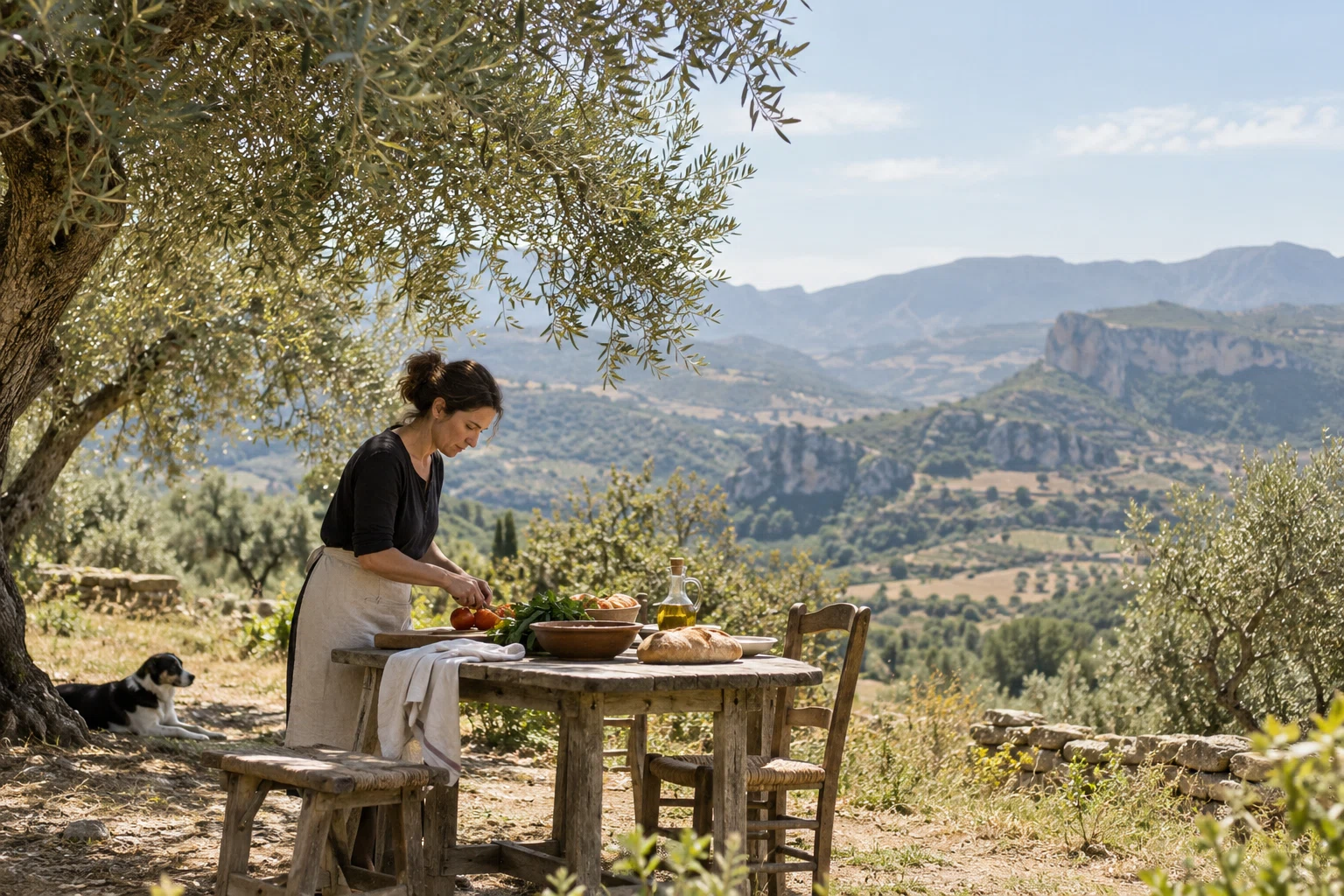
20 Oct How to Recognise an Authentic Gastronomic Experience and Avoid Superficial Offerings
Authenticity is not made with rustic wood, perfect baskets or words like local. It is demonstrated in relationships and verifiable details.
A real person and a real craft
The activity helps visitors understand who produces, cooks or serves and which decisions they make. The person is not an extra in a scene: their knowledge supports the content.
The place retains its function.
A winery, cheesemaking facility or vegetable garden remains a workplace. The visit adapts to its rhythm and does not force scenes for visitors. Limits can be a sign of professional respect.
The story admits nuance
Reliable proposals distinguish tradition, innovation, opinion and facts. They do not claim awards, designations or health benefits without a source. They also explain what depends on the season.
An experience does not need excess
A few well-connected elements create more meaning than an overloaded table. A premium experience comes from care, time and coherence, rather than turning the region into a luxury backdrop.
The 2B Experiences Approach
Each proposal is designed around your main interest, your starting point and the time available. Before confirmation, schedules, activities, capacity, accessibility and dietary requirements are checked with the partners involved. Personalisation is therefore based on actual services rather than a generic promise.
The approach combines privacy, local interpretation and an unhurried pace. This means allowing time to talk, observe and enjoy, as well as coordinating transport when it forms part of the experience. Producer names, menus, prices and availability should only be published once they have been verified.
Frequently Asked Questions
Does artisan always mean small-scale?
Not necessarily. Ask about the production process and the actual scale of the operation.
Is a private tour more authentic?
It can make conversation easier, but authenticity depends on the actual content.
How can I check the claims?
Consult labels, producers, certifications and official sources.
Take the next step
Look for experiences able to explain their origin without resorting to clichés.
