

20 Oct How to Taste Ronda Wines: A Simple Guide Without the Jargon
Tasting is not about guessing improbable aromas. It is about pausing, comparing and finding words for your own sensations.
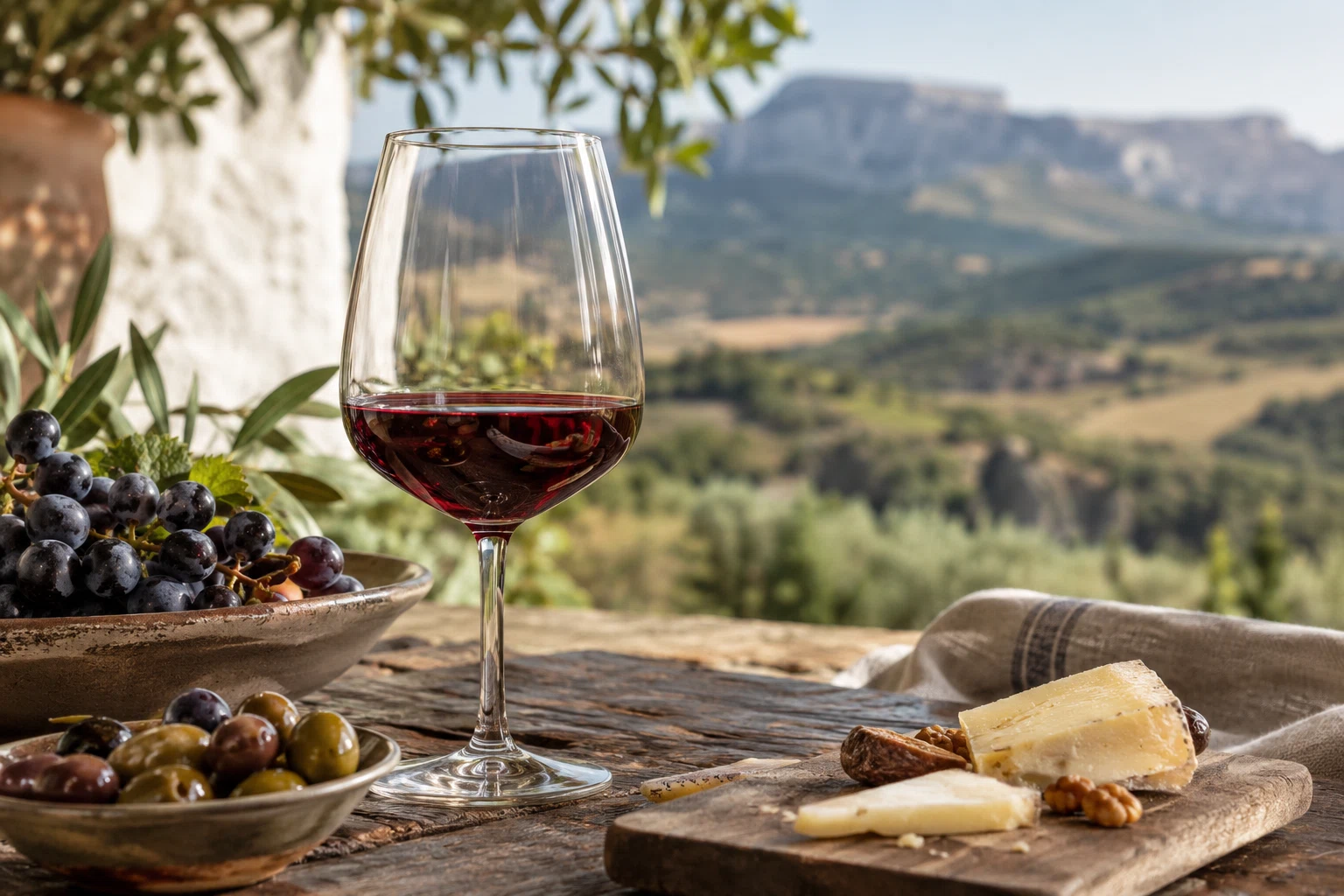
Look before you drink
Colour offers an initial impression of a wine, but should not lead to rigid conclusions. Observe its clarity, intensity and nuances against a light background. Take your time without searching for a single correct answer.
Smell in Two Stages
First smell the still glass to notice the most immediate aromas. Then swirl it gently to release further nuances. Olfactory memory is personal: fruit, flowers, herbs, spices and ageing notes are guiding categories rather than a competition.
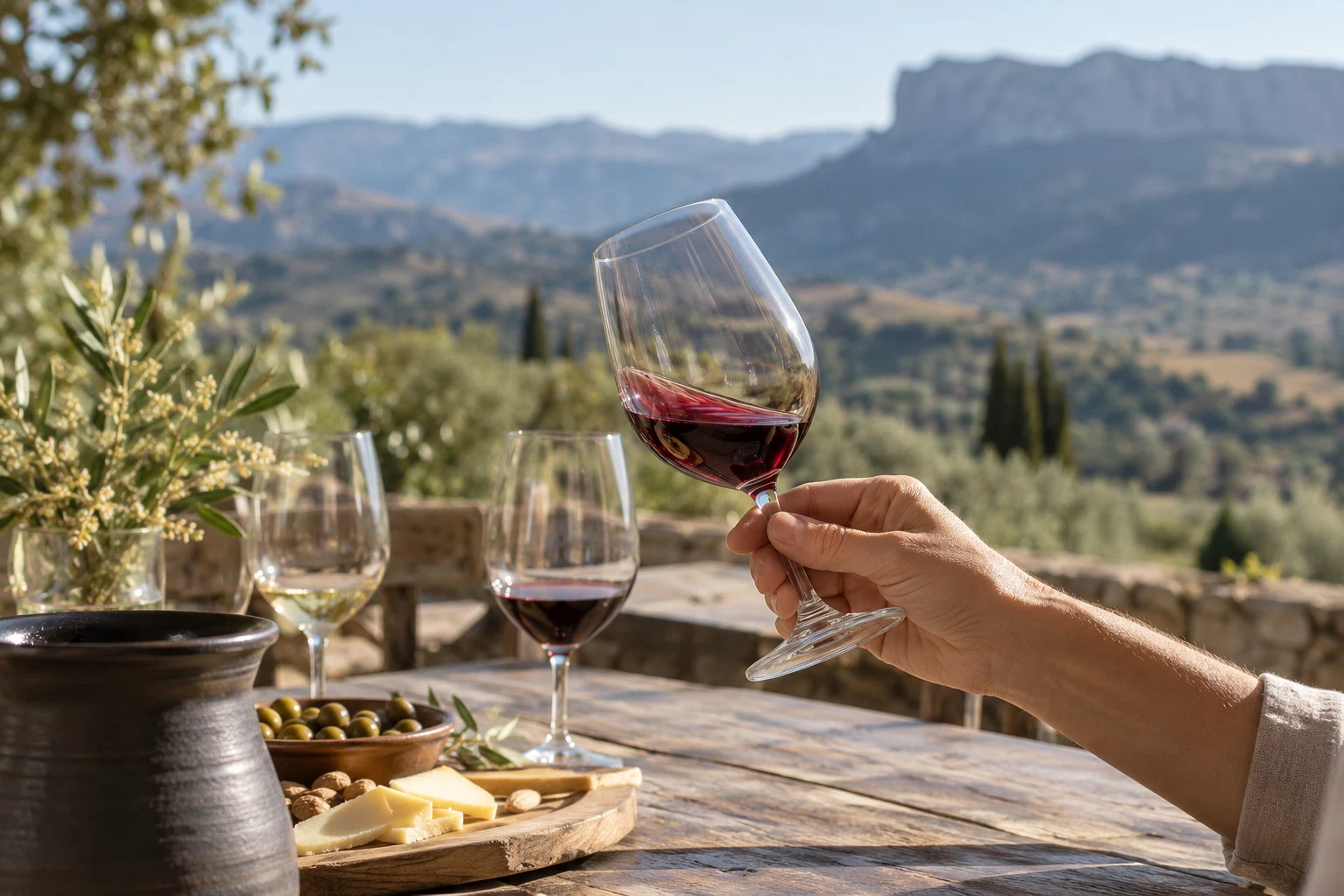
Taste, feel and compare
In the mouth, notice the initial impression, acidity, body, texture, balance and finish. A small sip is enough. Comparing two wines helps more than memorising definitions because it reveals real differences in production.
The Territory as Context
A tasting gains another dimension when you know the vineyard and the winery’s approach. The landscape does not determine every sensation on its own, but it helps explain growing and winemaking decisions. Specific technical claims must come from the winery visited.
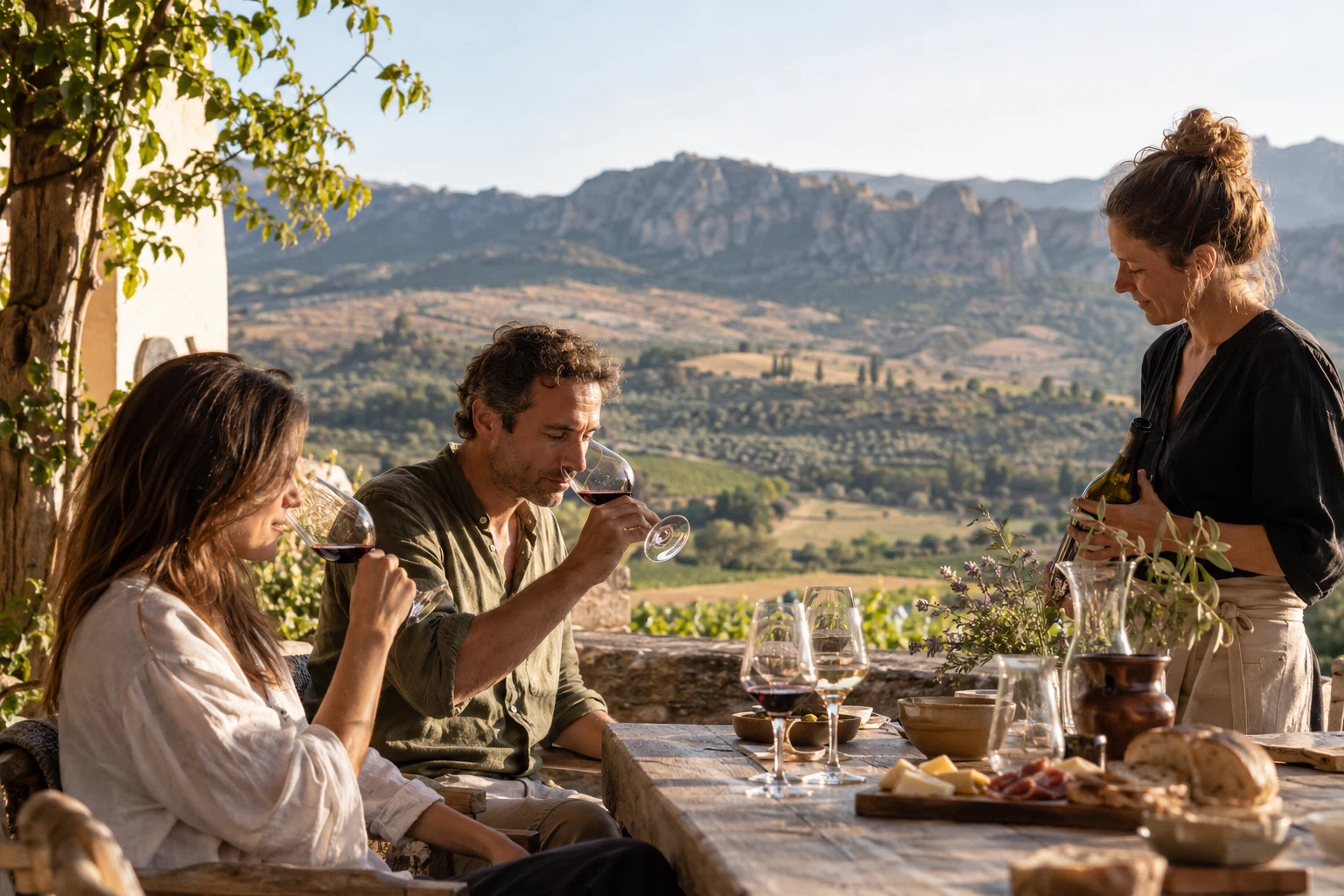
The 2B Experiences Approach
Each proposal is designed around your main interest, your starting point and the time available. Before confirmation, schedules, activities, capacity, accessibility and dietary requirements are checked with the partners involved. Personalisation is therefore based on actual services rather than a generic promise.
The approach combines privacy, local interpretation and an unhurried pace. This means allowing time to talk, observe and enjoy, as well as coordinating transport when it forms part of the experience. Producer names, menus, prices and availability should only be published once they have been verified.
Frequently Asked Questions
Should we spit out the wine?
It is normal practice at technical tastings and useful when tasting several samples.
Should I wear perfume?
Avoid strong perfume so that it does not interfere with the aromas.
Is there a right answer?
There are shared descriptors, but perception and memory are also personal.
Take the next step
Learn to taste with guidance in a real setting, without turning the experience into a formal lesson.
