

20 Oct Slow Tourism and Gastronomy: Why Eating Slowly Changes the Way We Travel
Slow travel is not about doing less because you have to. It is about choosing more carefully what deserves your time.
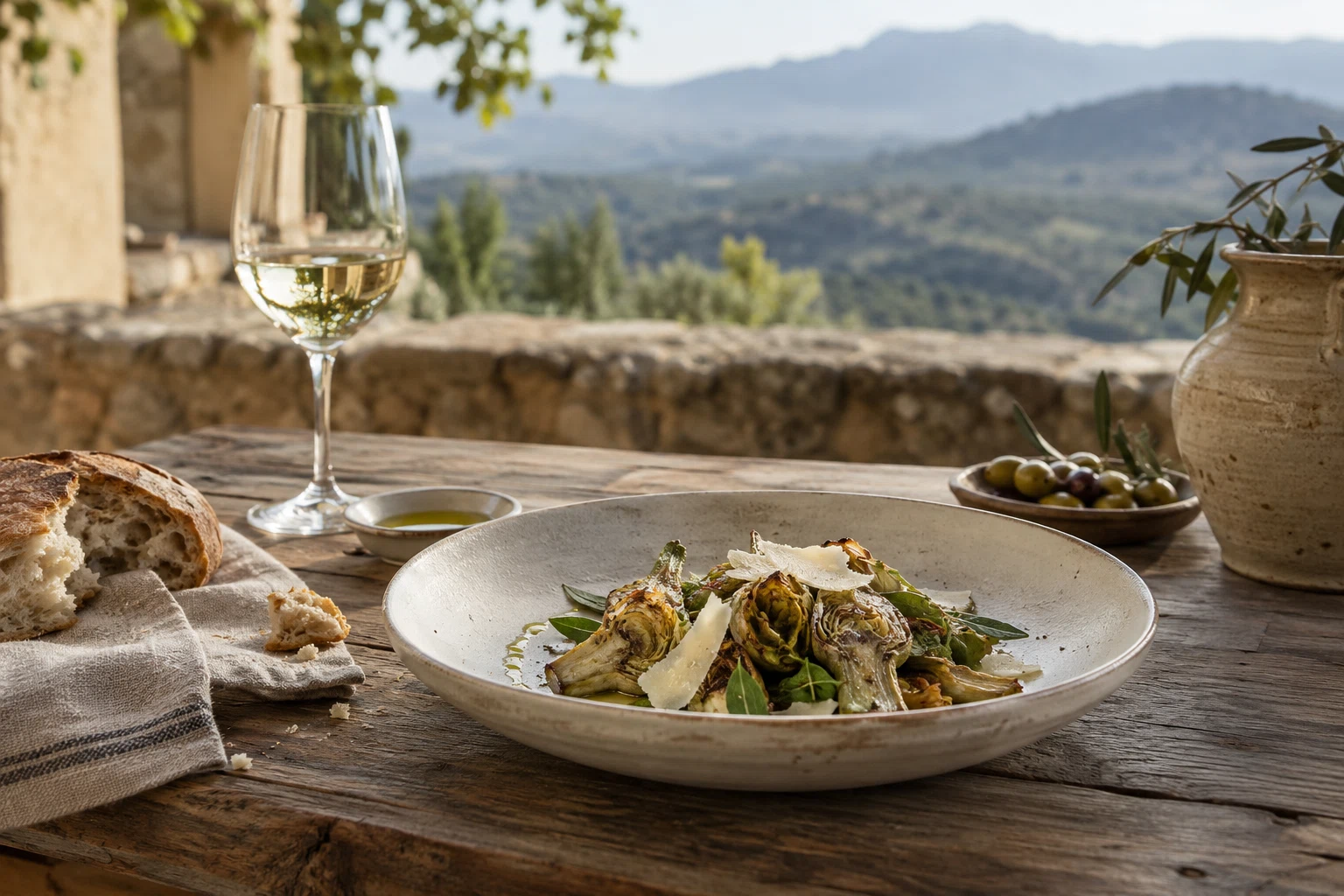
From consumption to connection
A quick tasting provides information; a conversation can transform the memory of a journey. Slow tourism means staying long enough to get to know a place, listen to its producers and understand why a food is the way it is.
Less time on the road, more time discovering a place
Reducing distances frees up time to walk, taste and talk. In the Serranía de Ronda, a day can focus on one valley, one product or one season. This deliberate limit prevents the landscape from becoming an interchangeable backdrop.
Seasonality and availability
An unhurried pace accepts that not everything is always available. Grape picking, other harvests, production and work in the fields depend on the calendar and the weather. An honest proposal adapts to what is actually happening.
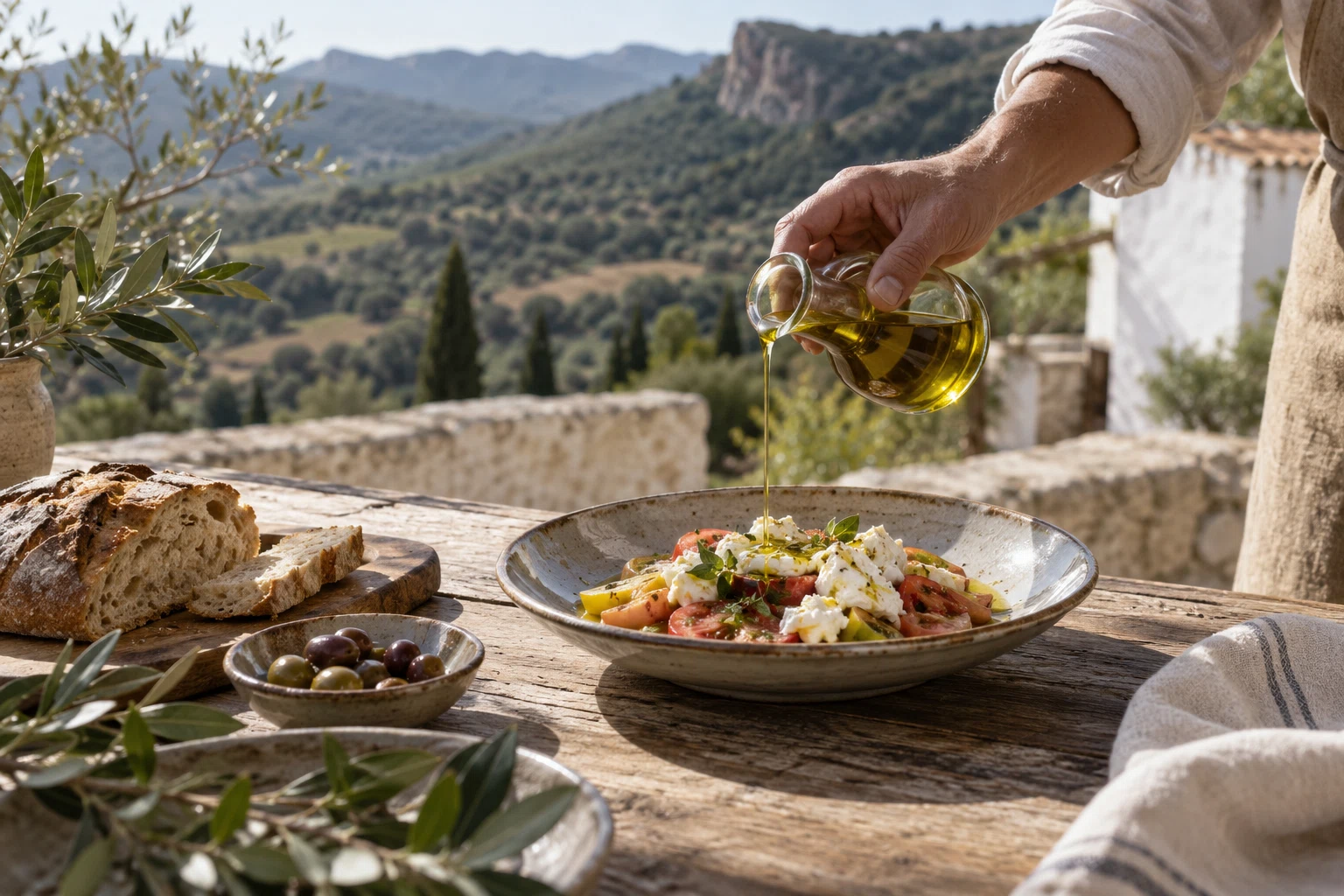
Quiet exclusivity
Privacy, care and flexibility add value without ostentation. A simple table, a thoughtfully explained product and a host with time to spare can feel more exclusive than an elaborate setting.
The 2B Experiences Approach
Each proposal is designed around your main interest, your starting point and the time available. Before confirmation, schedules, activities, capacity, accessibility and dietary requirements are checked with the partners involved. Personalisation is therefore based on actual services rather than a generic promise.
The approach combines privacy, local interpretation and an unhurried pace. This means allowing time to talk, observe and enjoy, as well as coordinating transport when it forms part of the experience. Producer names, menus, prices and availability should only be published once they have been verified.
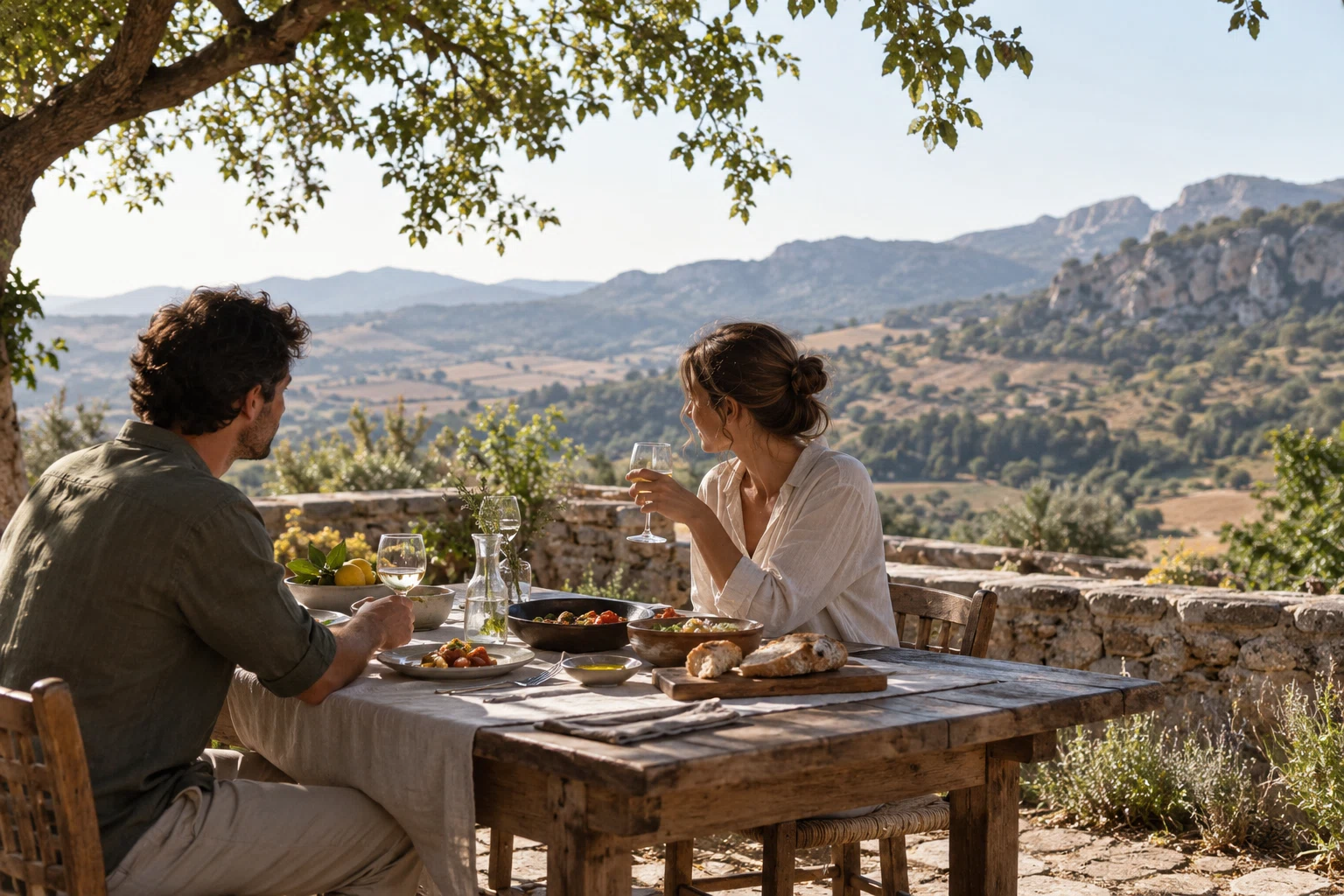
Frequently Asked Questions
Does slow travel require a full day?
Not necessarily. A half-day experience can embrace slow travel if it allows an unhurried pace and avoids an overloaded itinerary.
Is it suitable for returning visitors?
Yes. It lets you discover aspects of a place that a general sightseeing visit often leaves unexplored.
Does it mean giving up comfort?
No. Comfort and authenticity can coexist through good coordination.
Take the next step
Choose a product, a landscape and enough time to understand them.
