
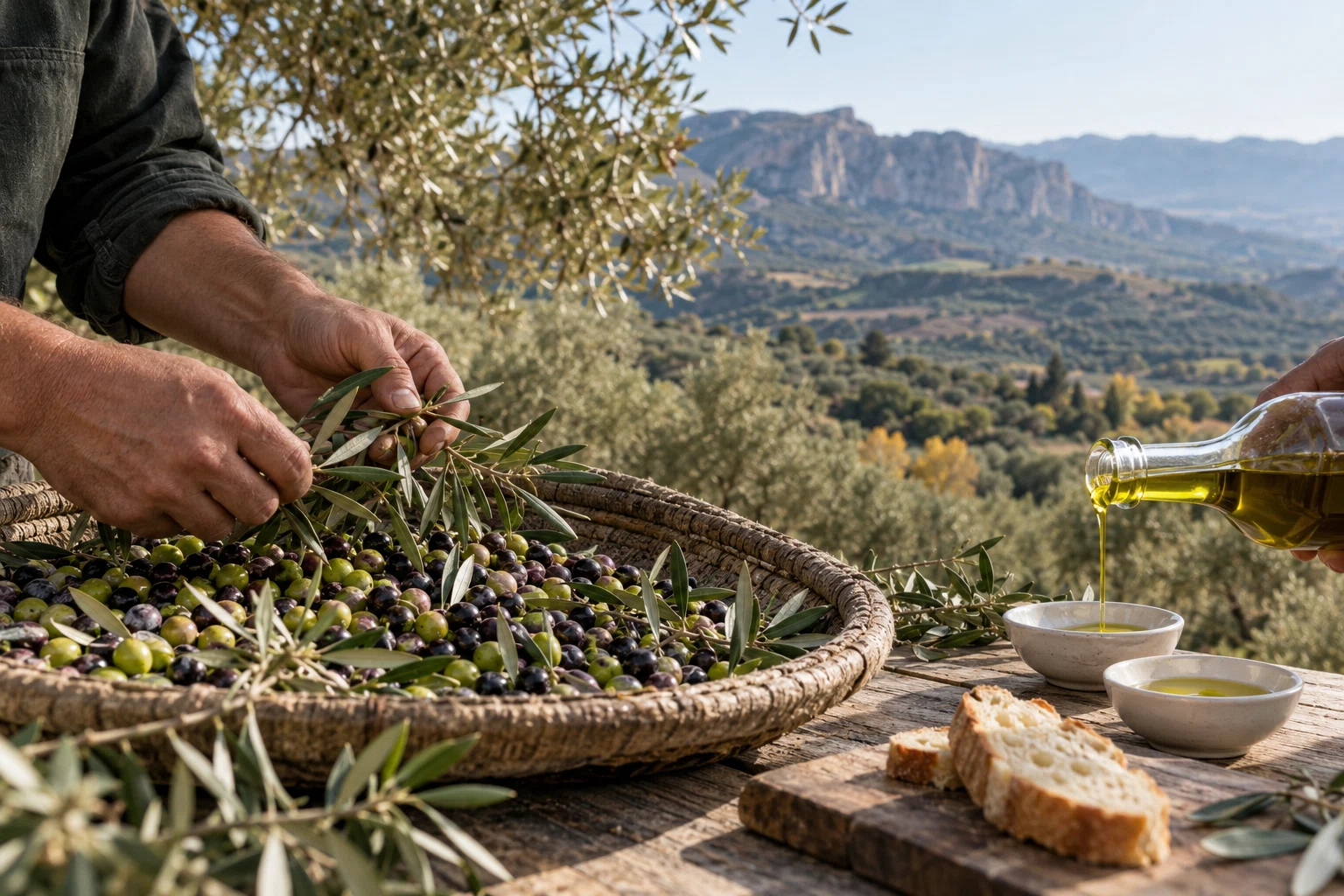
20 Oct Sustainable Gastronomic Tourism: Questions That Separate Facts from Slogans
Sustainability loses meaning when it becomes an automatic label. Asking about specific practices helps keep the discussion accurate.
Origin and traceability
Where does the produce come from? Who processes it? Which parts of the menu are local and which are not? Precise answers are more credible than claiming that everything is locally sourced.
Scale and local relationship
Working with small producers can distribute spending more directly, but does not in itself make an activity sustainable. Conditions, continuity and respect for the host’s capacity matter.
Mobility and pace
Grouping visits by area and reducing unnecessary travel improves the experience and can reduce impacts. Private transport should be appropriate to the group’s size and justified by accessibility, safety or efficiency.
Communicate without exaggeration
Certifications, emission savings or environmental benefits should not be attributed without evidence. It is preferable to describe verified actions and recognise limits. Honesty is part of premium positioning.
The 2B Experiences Approach
Each proposal is designed around your main interest, your starting point and the time available. Before confirmation, schedules, activities, capacity, accessibility and dietary requirements are checked with the partners involved. Personalisation is therefore based on actual services rather than a generic promise.
The approach combines privacy, local interpretation and an unhurried pace. This means allowing time to talk, observe and enjoy, as well as coordinating transport when it forms part of the experience. Producer names, menus, prices and availability should only be published once they have been verified.
Frequently Asked Questions
Does local always mean sustainable?
No, it is a relevant fact, but not enough.
How can I check a certification?
Consult the issuing body and the validity of the certificate.
What can the traveller do?
Choose an unhurried pace, respect the places you visit and make informed choices about what you consume.
Take the next step
Choose experiences that can clearly explain how they work and with whom.
